Choosing the Right Baby Pillow: A Guide for Parents
When does a child actually need a pillow, what should it be made of, and what should you check in the store? The essentials in plain language, minus the marketing promises.

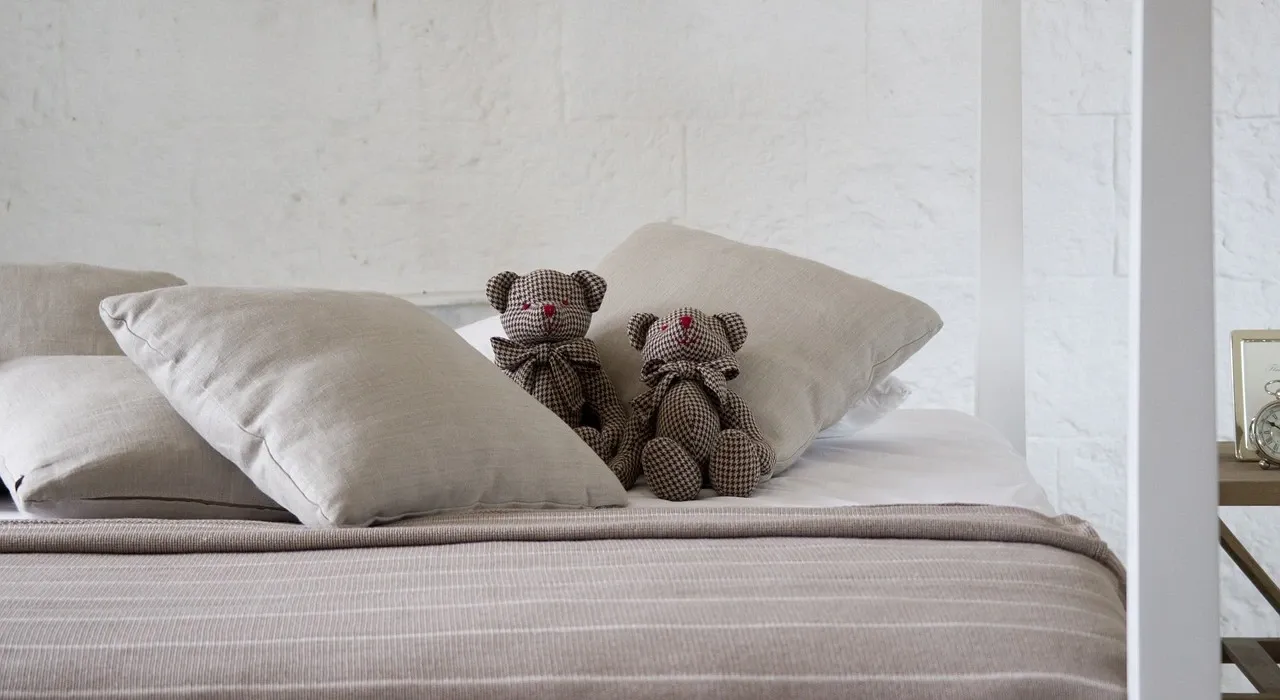
Good sleep is the foundation of a healthy, happy little one (and of rested parents). A pillow may seem like a small detail, but it affects both comfort and safety. Here’s when your child really needs one and how to pick the right one.
1. Age Comes First
- No pillow before 12 months. Pediatricians recommend putting babies to sleep on a firm, flat mattress with no pillows, blankets or toys in the crib. This lowers the risk of sudden infant death syndrome (SIDS).
- The first pillow usually comes around age 2, when your child moves to a bigger bed and sleeps without rolling all over it. Follow your child’s lead: if they’re comfortable without one, there’s no need to hurry.
2. Materials
- Choose a hypoallergenic fill such as polyester fiber, latex or buckwheat hulls. Down and feathers often trigger allergies and don’t hold up well in the wash.
- Look for a cover in natural, breathable fabric — cotton, sateen or bamboo — so your child’s head doesn’t overheat.
3. Size and Height
- A standard toddler pillow is about 13 × 18 inches (roughly 35 × 45 cm). It shouldn’t take up the full width of the bed.
- For 2–3-year-olds, keep it 1–2 inches (3–5 cm) high; older kids can go up to about 3 inches. The head and neck should stay in line with the spine, not propped up.
4. Firmness
- The pillow should be supportive but not hard. One that’s too soft sinks in, and a child could end up with their face pressed into it.
- Try this test: press it with your palm and let go. A good pillow springs back quickly.
5. Easy Care
- Look for a removable zippered cover that’s machine washable. Even better if the whole pillow can be washed at 40–60 °C (104–140 °F).
- Keep a spare pillowcase on hand — milk, juice and drool are an unavoidable part of childhood.
6. Safety
- No buttons, beads, bows or other small parts that could be pulled off and swallowed.
- Check for certifications such as OEKO-TEX Standard 100, which confirms the fabric is free from harmful substances.
7. Ask Your Pediatrician
If your child has developmental concerns, posture issues or frequent allergies, talk to your pediatrician before choosing a pillow. Orthopedic models generally aren’t necessary unless a doctor recommends one.
The Bottom Line
Babies under one year don’t need a pillow at all. After that, choose a low, supportive, hypoallergenic pillow with a removable cover and no small parts. And trust your best guide — your child: if they sleep soundly and wake up happy, you got it right.