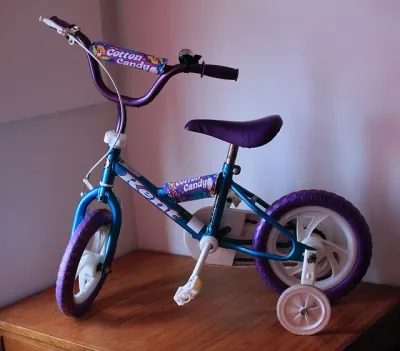
A child’s first “own car” is a big event. One moment they’re sitting proudly behind the wheel, the next they’re zooming around the apartment, and a week later they’re asking to take it outside “just one more lap”. Ride-on toys develop coordination, strengthen the legs and give a child a real feeling of independence. But the choice is huge — and a car that’s too big, too fast or too heavy can disappoint both the child and the parents. Let’s figure it out by age.
Which Ride-On Fits Which Age
| Age | What to give | What it develops |
|---|---|---|
| 1–2 years | Push car, ride-on walker, rocking ride-on | Balance, first steps, leg strength |
| 2–3 years | Balance bike, tricycle with a parent handle | Coordination, steering |
| 3–5 years | Pedal car, three-wheel scooter, small electric car | Endurance, confidence, independence |
| 4–8 years | Electric car with 12 V battery, two-wheel scooter, bicycle | Speed, reaction, real “driving” |
Age is a guideline: the child’s height and leg length matter more. When seated, both feet should rest flat on the floor — then the child will push off confidently and won’t fall over.
For the Little Ones: Push Cars and Walkers
A push car (also called a “foot-to-floor” ride-on) is the perfect first vehicle. The child sits and pushes off with their feet — that’s how they train balance and leg muscles. Many models have a handle on the back so parents can push the car while walking. What to look for:
- A wide, stable base — it shouldn’t tip over on turns.
- A stopper against tipping backwards — especially important for active kids who like to lean back.
- Quiet wheels — rubberized ones are kinder to both the floors and the neighbors.
- A storage compartment under the seat — kids love to “transport” their toys.
Balance Bike: The Best Investment
A balance bike is a two-wheeler without pedals. Kids from around 2 years push off with their feet and gradually learn to keep their balance. Children who start on a balance bike often switch to a regular bicycle without training wheels. Choose a light model (a child must be able to lift it) with an adjustable seat — it will last for several seasons.
Electric Cars: A Dream with Conditions
An electric car with headlights, music and a real “gas” pedal is a gift that makes most kids’ hearts skip a beat. But it’s worth checking a few things:
- Battery voltage. 6 V models are slow (about walking speed) and suit kids 2–4 years old; 12 V models are faster and more powerful and suit kids 3–7 years old.
- Parental remote control. A must for younger kids: a parent can stop the car or steer it away from danger at any moment.
- Soft start — the car starts moving smoothly rather than jerking forward.
- Seat belt and rubber or EVA wheels — the latter grip better and ride much more quietly than hard plastic.
- Weight and storage. An electric car can weigh 15–30 kg. Think in advance about where it will be stored and whether you’ll be able to carry it to the playground — especially if you live in an apartment without a spacious elevator.
- Battery life is usually 1–2 hours of riding, and charging takes several hours. Explain this to the child in advance so the end of the ride doesn’t become a drama.
Safety Above All
- A helmet — for a balance bike, scooter and bicycle, it’s a must, even for the youngest riders. It’s a great idea to give one together with the ride-on.
- Ride on flat, safe surfaces — playgrounds, park paths, away from roads, stairs and pools.
- Check the maximum weight stated by the manufacturer and the presence of safety certificates.
- Adults nearby. Even the slowest ride-on needs supervision.
Bottom Line
For a one-year-old, a stable push car is ideal; for a two-year-old, a balance bike; for a preschooler, a pedal car, a scooter or an electric car with a remote control. Choose by the child’s height, not just age, think about where the ride-on will be stored — and don’t forget a helmet. Then the first “own car” will bring months of joy and plenty of new skills.