Sports gear is a great gift for a teenager — as long as it matches the sport they really play, not the one you’d like them to take up. A ball for a game they never play ends up in the closet, while a good pair of grips or a proper bag for training gets used three times a week. Here’s how to get it right.
Start With What They Already Do
- Find out the sport and the level. “Plays football” can mean kicking a ball in the yard or training at a club four times a week. A club player usually has specific requirements (ball size, boot type, racket weight) set by the coach.
- Look at what’s worn out. A torn bag, a bald ball, a racket with a sagging string bed, cracked shin guards — replacing a worn favourite is almost always a hit.
- Ask the coach or a teammate’s parent. They know exactly what’s missing and what the team uses.
Ideas by Sport
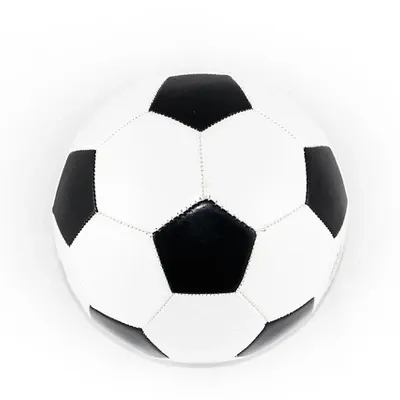
- Football: a match ball in size 5 (size 4 is for under-12s), shin guards, goalkeeper gloves if they play in goal, a compact bag with a separate shoe compartment. Boots are risky as a surprise — they must match the playing surface (grass, artificial turf, indoor) and be tried on.
- Basketball: an outdoor ball made of rubber or composite (indoor leather balls wear out fast on asphalt), size 7 for boys from about 15, size 6 for girls; a basketball net for the yard hoop; compression sleeves.
- Tennis and badminton: a can of balls or shuttles is always useful; new strings are a cheap and welcome upgrade. Choose a racket only together with the teen or the coach — weight and grip size matter.
- Skateboarding and scooters: a complete board from a skate shop rather than a supermarket (the difference in bearings and wheels is huge), plus a helmet and pads. Teens often skip protection, so pick something that looks good enough to actually wear.
- Running and fitness: a running belt or armband for the phone, a reflective vest or light for evening runs, a jump rope, resistance bands.
Accessories Almost Every Athlete Needs
- A good sports bag or backpack with a ventilated compartment for wet clothes and shoes.
- A water bottle that doesn’t leak in the bag; a steel bottle keeps water cold during a long practice.
- Sports earbuds that stay in during movement — ear hooks or wing tips. For running outdoors, open-ear models are safer because they let in traffic noise.
- A fitness tracker — useful for runners and teens who like stats; less so for team sports where watches are often banned during games.
- Sports sunglasses with UV400 protection for cycling, running and outdoor training.
What to Avoid
- Size-dependent items as a surprise — boots, sneakers, ice skates, rollerblades, helmets. Without trying them on, the chance of getting it wrong is high; a gift card to a sports store is better.
- Cheap “starter kits” with a bit of everything — the quality is usually low and the teen won’t use most of it.
- Equipment that the club regulates — team kit, specific balls — without checking first.
Bottom Line
The best sports gift supports what the teen is already doing: replaces a worn-out favourite, upgrades the basics or solves a small daily annoyance like a leaky bottle or a phone with nowhere to go during a run. If they’re just getting started, pick something that’s fun on its own — a good ball, a skateboard, a jump rope — and add protective gear where it matters.